


phtala | Exploring the 'Simulation' Game Category and the Role of 'Phtala'
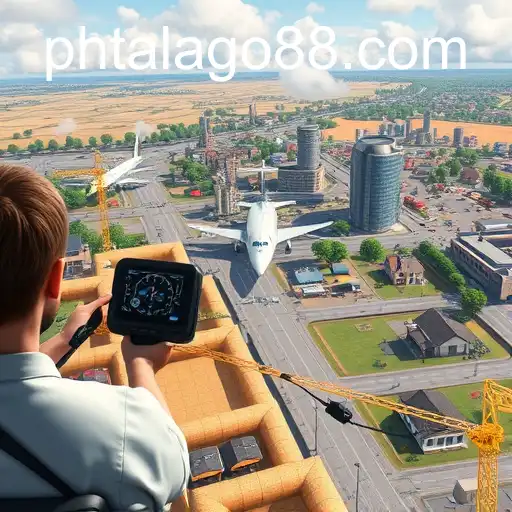
The 'Simulation' category in gaming has remained a cornerstone for virtual world enthusiasts who seek to mimic, explore, and even manipulate aspects of real life through digital experiences. This genre is diverse, encompassing everything from life simulators and virtual reality experiments to complex city-building and management games. Each game provides a sandbox environment where players can exercise creativity, solve problems, and in some cases, manage entire ecosystems.
Over the years, technological advancements have only enhanced the immersive quality of simulation games, allowing players to engage with stunningly designed worlds that challenge their strategic thinking and decision-making skills. Within this realm, a curious keyword - "phtala" - has surfaced, drawing both intrigue and speculation among gamers and developers alike.
The term 'phtala' might initially appear as an obscure reference, yet it has been gaining traction as a niche concept within the simulation community. It represents a blend of mythology and simulation, as players embark on journeys that intertwine elements of fantasy and reality. Through the lens of 'phtala', games can offer narratives that explore alternative histories or present speculative scenarios where players must adapt to fantastical settings and challenges.
One of the quintessential experiences within 'phtala' themed simulation games is the opportunity for players to create and govern mystical worlds. The keyword encourages a narrative-driven approach, where success is not solely dependent on resource management but also on how well players can navigate the complex lore and mythical elements embedded within the game.
Furthermore, the integration of 'phtala' offers a new avenue for educational purposes in simulation games. By weaving historical mythology with interactive environments, such games can provide players with a deeper understanding of cultural stories and their implications in modern contexts. This educational layer adds a meaningful dimension, inviting players to learn and explore without foregoing entertainment.
As simulation games continue to expand and diversify, the inclusion of themes like 'phtala' promises innovative twists to conventional gaming experiences. Gaming communities have shown great enthusiasm towards such concepts, as they offer endless possibilities for storytelling and engagement. As we look to the future, it is likely that 'phtala' and similar themes will further influence the direction of simulation games, offering players not just entertainment, but an expansive view into alternative and enriched realities.
